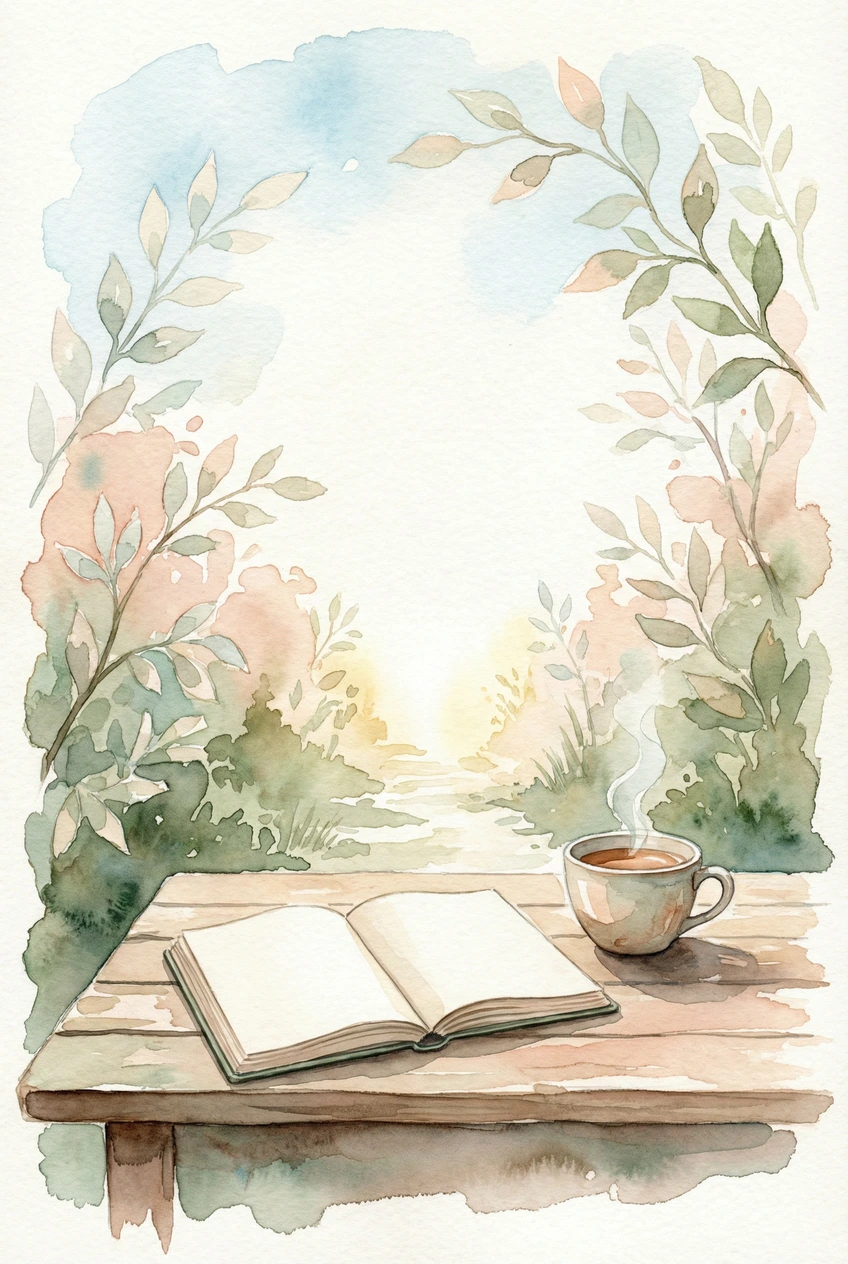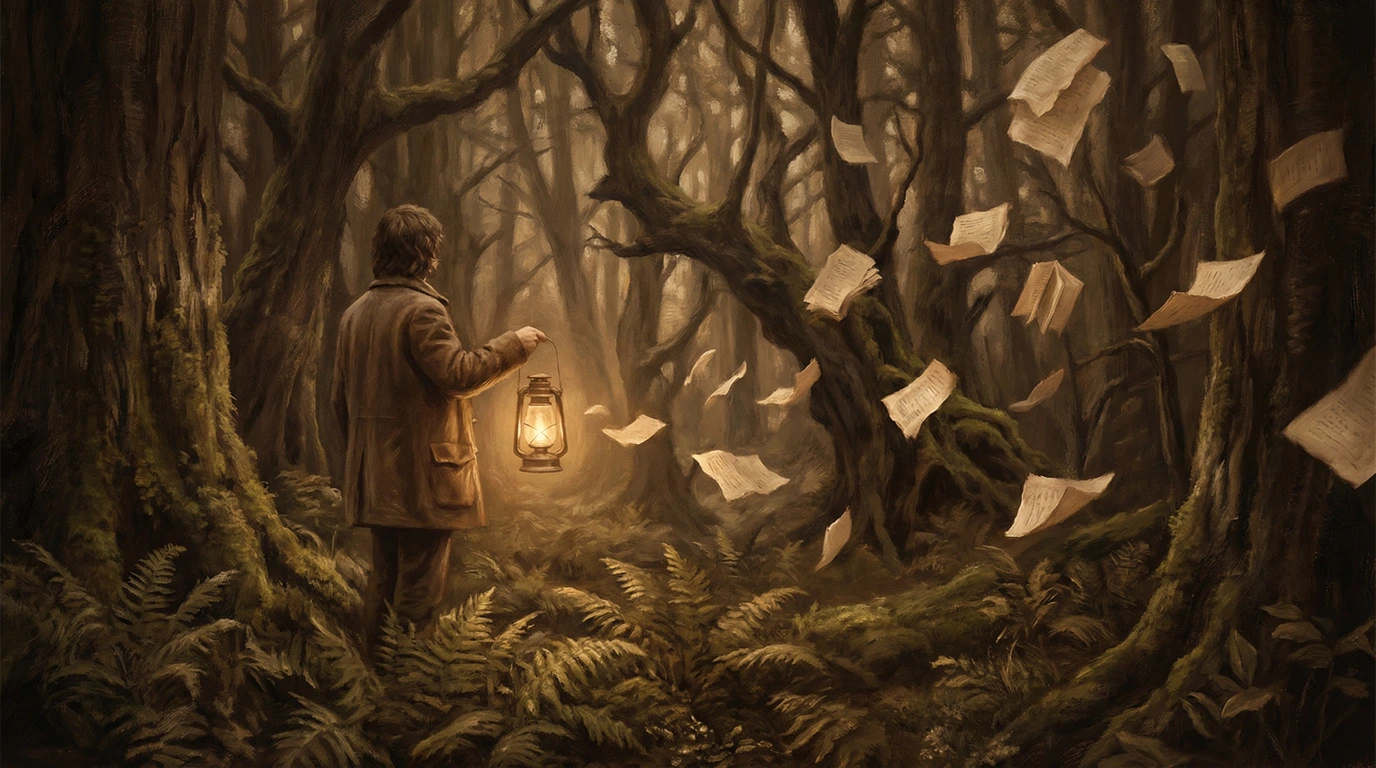
So there I was, stuck again. Just completely stuck. You know that feeling where you’ve got your document open, maybe some notes scattered around, and you’re supposedly writing but really you’re just… sitting there? I had this story idea that’d been buzzing around in my head for weeks, but every single time I tried to outline the thing, something inside it just died. The excitement would drain out like water through a crack.
So I did something kind of reckless. I decided to write without a plot. For thirty days straight. No outline, no structure, nothing resembling a plan. Just me and the blank page and whatever my brain felt like throwing at it.
Here’s what actually happened.
The first few days were strange. And I mean genuinely strange. I kept catching myself trying to plan ahead anyway. I’d finish a scene and immediately my brain would start spinning about where it needed to go, what it was setting up, how it would connect to some ending I hadn’t even written yet.
Old habits, you know?
By day three I made myself a rule. No thinking more than one scene ahead. If I finished something and had no idea what came next, I had to just sit with that discomfort and wait. Or write something completely different. Sometimes I’d jump into a different character’s head just to see what would happen.
It felt chaotic. Everything felt chaotic. My whole process felt like it was falling apart.
But something interesting started happening around day five. I stopped worrying so much about whether things made sense. I started following the characters instead of shoving them around.
This is the part I really didn’t expect.
When you’re not steering everything toward some predetermined destination, your characters start making choices you never would have planned for them. My protagonist, who I’d imagined as pretty cautious and careful, suddenly picked a fight with someone she absolutely should have avoided. And it wasn’t random. It felt earned somehow. Like she’d been building toward that moment the whole time and I just hadn’t noticed because I was too busy trying to control everything.
I wrote this one scene where two characters had a conversation that went completely sideways. They were supposed to be talking about one thing and ended up revealing something totally different. Something I genuinely didn’t know about them until they said it out loud.
That sounds a little mystical, I know. But I think what’s really happening is that when you take away the pressure of plot, you start listening more. You’re not trying to force the story to hit certain beats. You’re just present. Paying attention to what’s actually there.
Some of these surprises didn’t work out. I wrote at least three scenes that week that went absolutely nowhere. Complete dead ends. But even those taught me something about who these people were.
Okay, here’s where I have to be honest with you. Week three was rough.
I had about 15,000 words by this point and no idea what any of it added up to. The story had sprawled in directions I never anticipated. Some threads felt important. Others felt like tangents that were going nowhere. And I genuinely couldn’t tell which was which.
There was one morning where I sat down and just stared at my notes for twenty minutes. Not writing. Not planning. Just sitting there with this growing sense that I had made a huge mistake and wasted two entire weeks on something that would never become a real story.
But I kept going. That was the deal. Thirty days.
What helped was lowering my expectations even further. I stopped trying to write “good” scenes and started trying to write “true” scenes. Scenes that felt honest to who these characters were, even if I had no idea why they mattered yet.
Somewhere around day eighteen, I noticed something I hadn’t consciously created. Three different characters were all wrestling with the same thing from different angles. Loyalty. Whether you owe it to people who’ve hurt you. Whether it can be taken back.
I hadn’t planned that at all. It just emerged from following each character through their own problems.
And suddenly the mess started to feel less like chaos and more like… something. Not a plot exactly. But a shape. A throughline I could almost sense forming underneath everything.
The last week felt different. I wasn’t panicking anymore. I wasn’t even frustrated, really. I’d gotten comfortable with not knowing where the story was headed, and that comfort changed how I approached every scene.
I started asking different questions. Instead of “what happens next” I asked “what does this character want right now” and “what are they scared of.” Instead of “how does this connect to the ending” I asked “what’s true about this moment.”
The connections started appearing on their own. Not all of them. Not enough to call it a complete draft by any stretch. But enough that I could feel the story pulling itself together somehow.
By day thirty, I had about 28,000 words. Messy, messy words. Words that would need serious revision. But words that surprised me in ways my outlined stories rarely do.
So was it worth it? Writing without a plot for a whole month?
Honestly, yes. But not for the reasons I expected going in.
I didn’t discover that plotting is bad or that pantsing is superior or anything like that. I don’t think it’s that simple. What I learned is that I’d been gripping my stories way too tightly. Trying to control every element before I’d even gotten to know my characters properly.
Writing without a plot forced me to trust the process. To sit with uncertainty and not run from it. To let the story be messy before it became clear.
If you’re curious about trying something similar, here’s what made it manageable for me:
Set a daily word count that feels sustainable. Mine was 500 words minimum. Some days I wrote way more than that. Some days I barely scraped together 500. But having that floor kept me moving forward.
Give yourself permission to write scenes out of order. If you don’t know what comes next, skip ahead. Or go back. Or write a scene from some minor character’s perspective just to find out what they’re up to.
Don’t reread too much during the drafting phase. I made this mistake in week two and it almost completely derailed me. The mess is supposed to be messy. You can fix it later.
Keep notes about things that surprise you. When a character does something unexpected or a theme starts bubbling up, write it down somewhere separate. These little breadcrumbs will help you later when you’re trying to make sense of everything.
I’m not going to tell you this method works for everyone. It might not even work for me on every project. Some stories probably do need more structure right from the start.
But if you’ve been feeling stuck, if your outlines keep killing your excitement before you even begin, if you’re tired of writing stories that feel predictable even to you… maybe try loosening your grip a little. See what happens when you follow the story instead of leading it.
You might end up with a mess. You probably will, actually.
But it might be the kind of mess that has something real hiding inside it. Something worth finding.
Have you ever tried writing without a plan? Or does the whole idea make you want to hide under a blanket? I’d genuinely love to hear what works for you. We’re all figuring this out together, after all.